3D Printing – Objects and Opportunities!
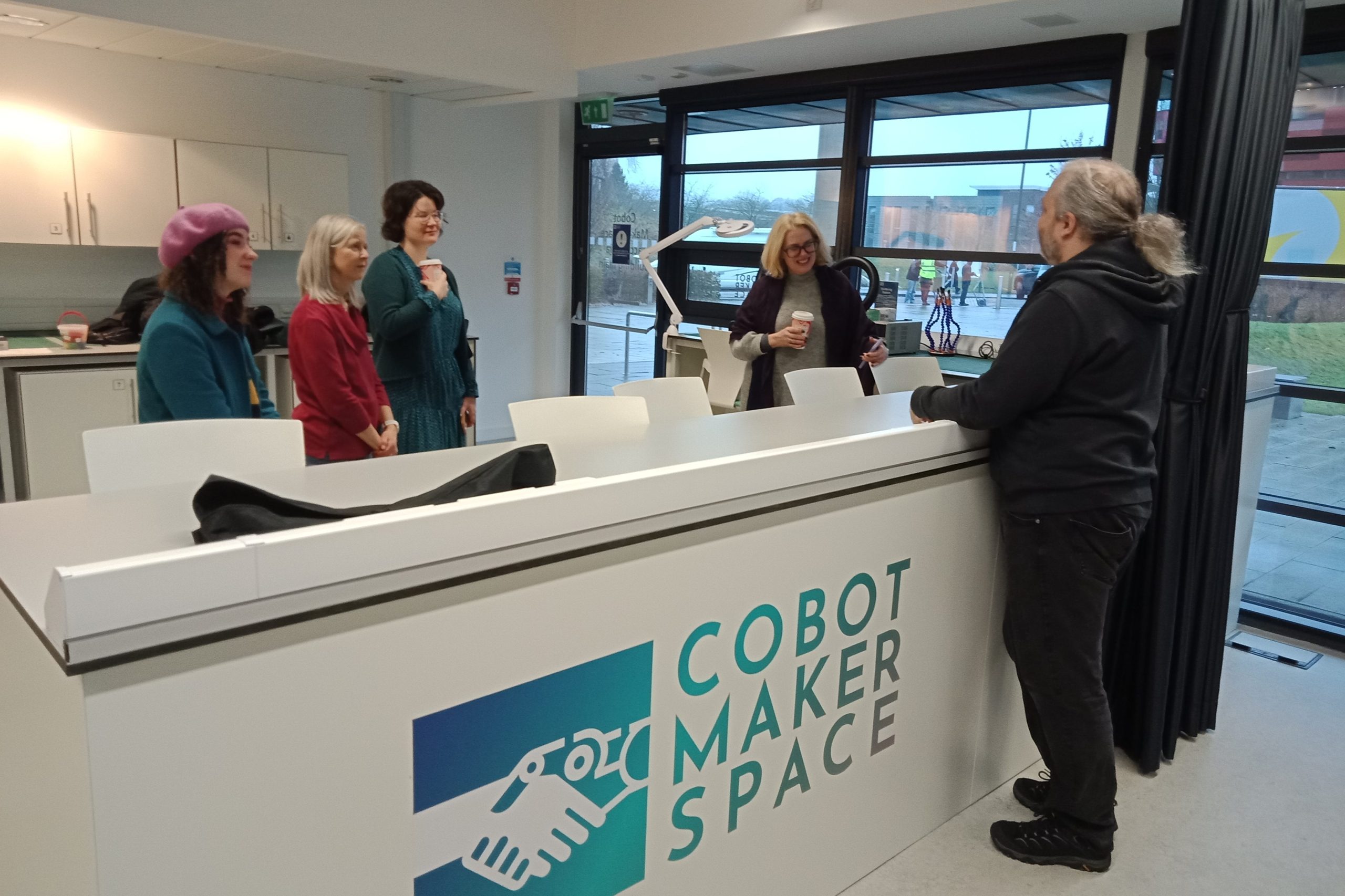
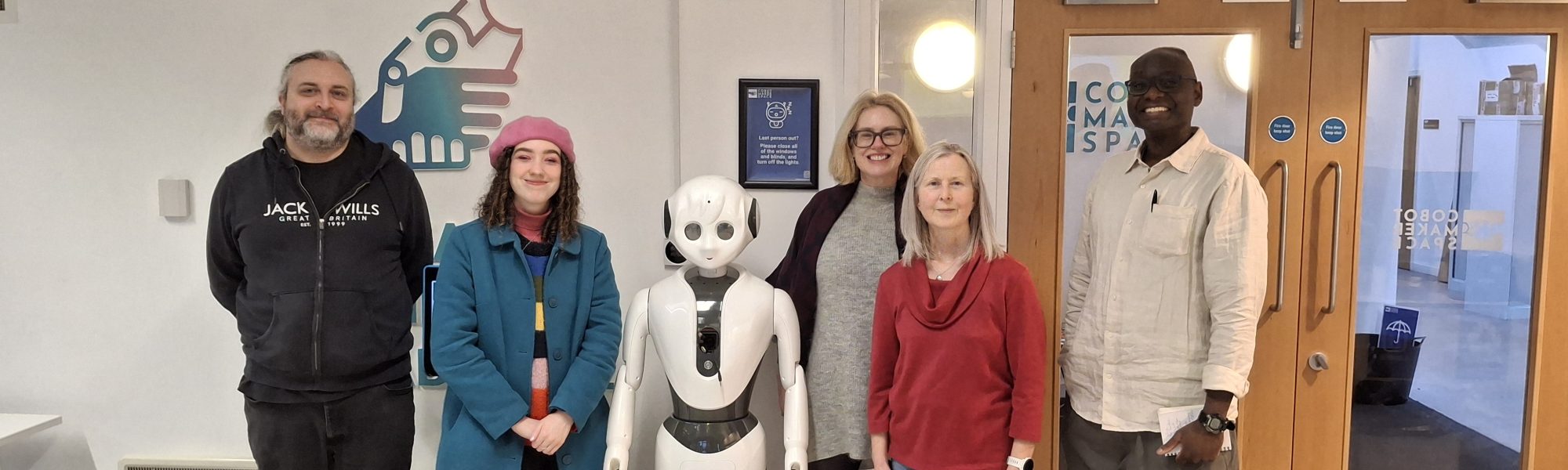
Our visit to the University of Nottingham’s Cobot Maker Space (CMS) was a fascinating day of discovery with collaboration at its heart. This space provides the perfect setting for our student volunteers, who are currently working on an exciting 3D printing project for the next phase of ‘Villiers Revealed’, a project focused on celebrating hidden LGBTQ+ stories.
Exploring the Cobot Maker Space
We were guided around CMS by Dominic Price, Manager of CMS and Research Fellow, who introduced us to the world of ‘Cobots’ – collaborative robots designed to work with and support people, rather than in traditional, behind the scenes factory environments.
Cobots can be used in the real world across a wide range of disciplines, from psychology, philosophy, business, medicine, to arts and culture, and more. Importantly, these robots are not designed to take away jobs from humans; instead, they are allowing people to work better and more meaningfully by removing repetitive or menial tasks from workloads, as well as by opening up new, more accessible opportunities. During our tour, we explored the Living Space, the Care/ Ward Room, and the Museum Room, which are immersive environments that research the way technological innovations can support and enhance and human lives. This includes sensor technology that tracks the activity of vulnerable adults (ensuring food/medicine cabinets are opened), as well as telepresence robots (remotely controlled with an inbuilt screen, camera, and microphone), that created more accessible, virtual museum tours.
 3D Printing
 3D Printing
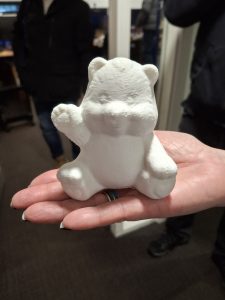
During our tour, we were also lucky enough to see some 3D printing in action! Whilst this isn’t a quick process (the butterfly model currently printing was expected to take around 30 hours!), these objects do have amazing potential.
With accessibility in mind, this technology is being used by our student volunteers to replicate objects from our museum collections, ultimately preserving and enabling further engagement with these objects’ history and stories. This includes the potential for more tactile, sensory engagement and for sharing more of our collections with people and communities across Leicestershire. Damaged and fragile artefacts can also be recreated, as was the case with the Hallaton Helmet, which was 3D printed and reinterpreted for permanent display at Harborough Museum; another project supported by our amazing Culture Leicestershire volunteers.
Our Volunteers
Culture Leicestershire and the University of Nottingham co-developed this volunteering opportunity to provide a hands-on learning experience for the students while also increasing the accessibility of our collections through the power of 3D printing technology.
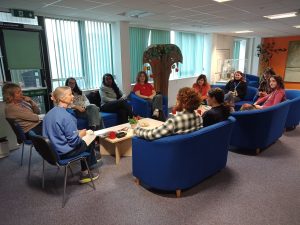
This phase of our exciting collaboration began with our student volunteers visiting the Eastern Annexe last November, home to the Creative Learning Services and the ‘Culture to You’ project. They got stuck in with object-handling activities, explored our collections store, and joined a Q&A session with Culture Leicestershire staff, exploring the diverse career pathways into heritage and museums.
Our volunteers have also been so creative in sharing their volunteering experiences. You can read Isabel’s brilliant blog about her visit to CMS here and watch Tyler’s joyful video about her outing to the Eastern Annexe here. Make sure you take a look to see first-hand what it’s like to be part of this project.
A huge thank you to the University of Nottingham, Dominic Price, Daniel Mutibwa (Associate Professor of Creative Industries and Digital Culture), and to our fantastic student volunteers for making this stage of the ‘Villiers Revealed’ project possible. We can’t wait to share what our volunteers create next!
For more information about our visit to CMS, you can also read Daniel Mutibwa’s blog here.