This project has emphasised the importance of experimentation, precision, and problem-solving in digital heritage work.
A Day of Inspiring & Innovative Student Presentations
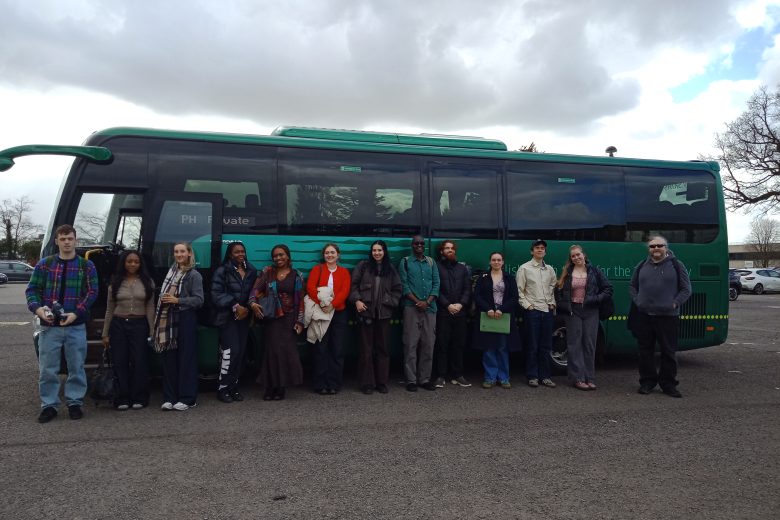
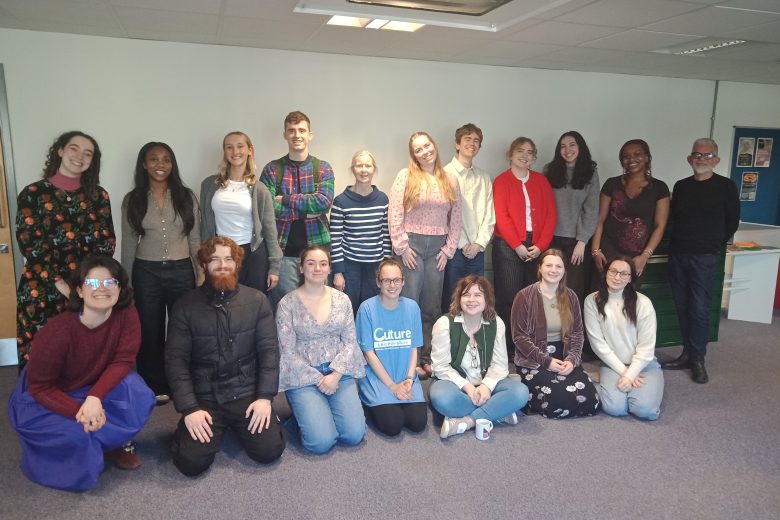
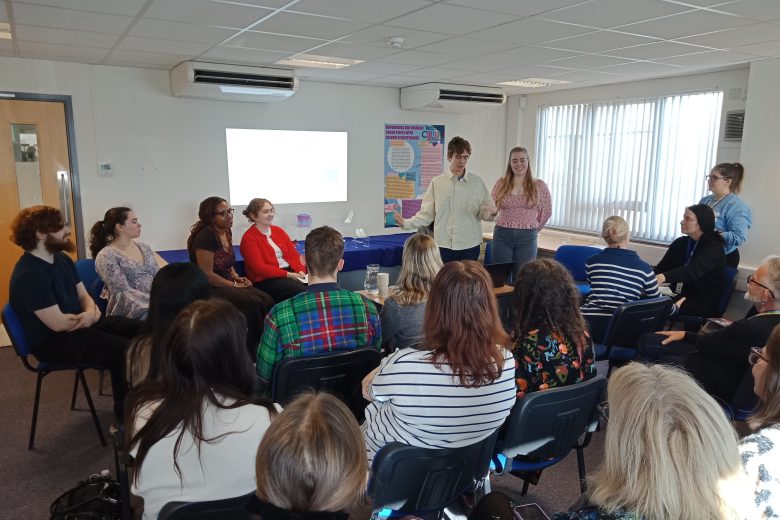
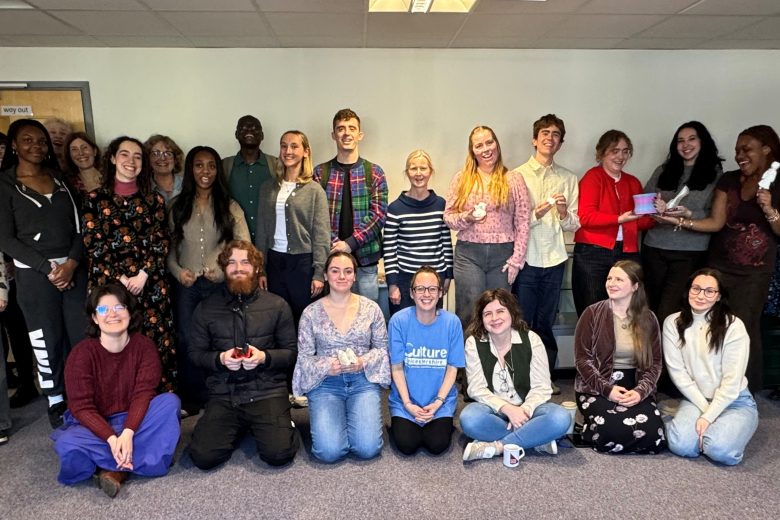
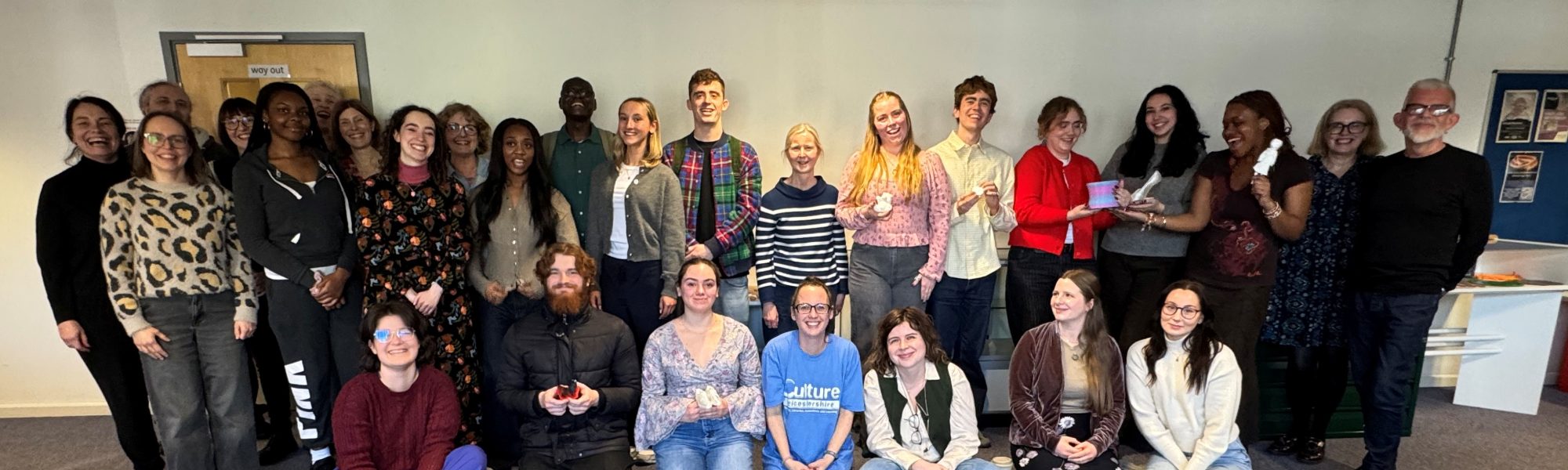
In March, we had a wonderful time attending two insightful presentations by University of Nottingham students, exploring the fascinating ways that technology can innovate and connect us to our history and culture!
The first presentation, led by student volunteers, discussed the next phase of ‘Villiers Revealed’, a project dedicated to uncovering and celebrating hidden LGBTQ+ stories. The second presentation was from our Youth and Cultural Decision-Making placement students, who shared insights on how Culture Leicestershire could better engage with young people through social media.
Villiers Revealed – 3D Printing Student Volunteers
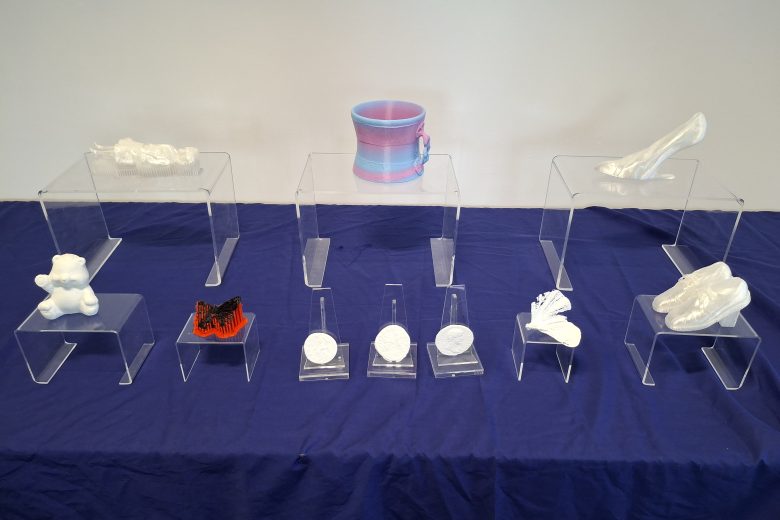
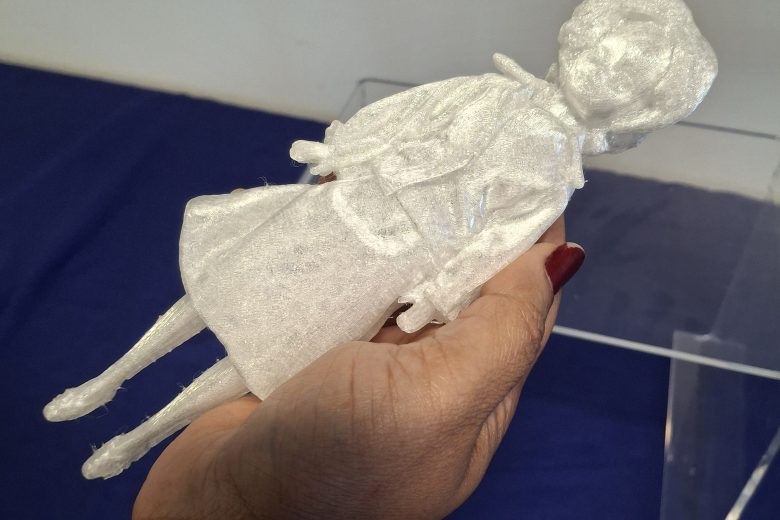
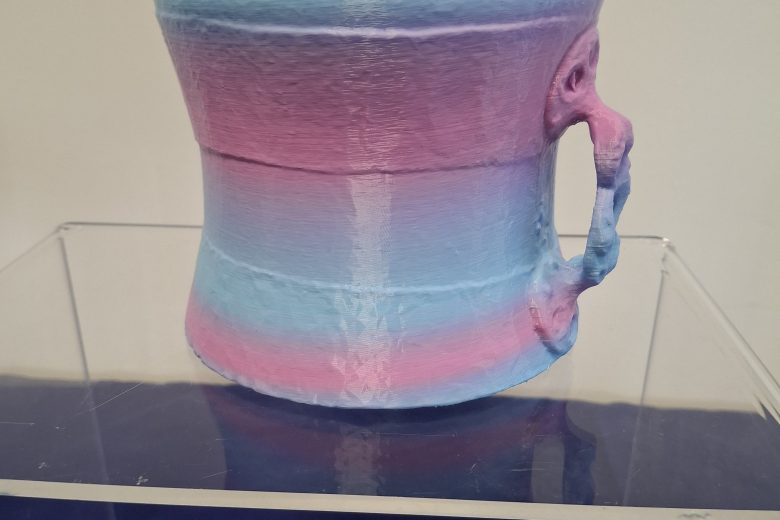
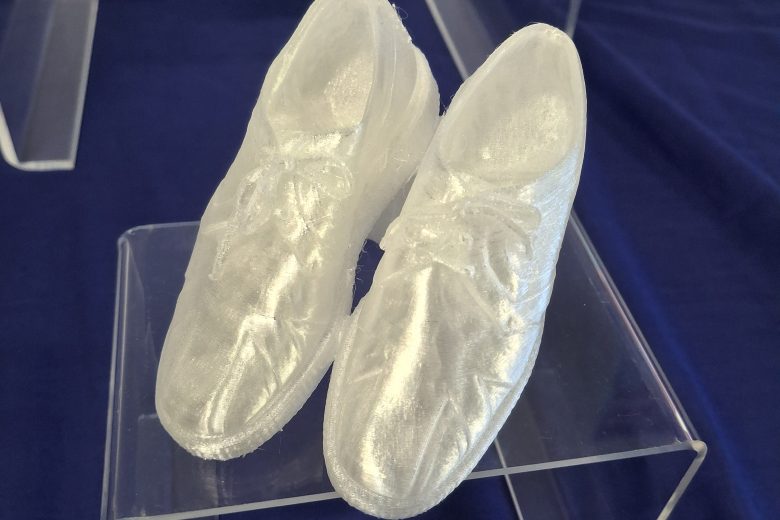
Over the last 5 months, student volunteers have been using 3D printing technology as a tool for accessibility. Reproducing objects from our museum collections allows for more tactile, sensory engagement (supporting our Villiers Revealed Digital Exhibition), and adds a new layer of interpretation for people and communities across Leicestershire.
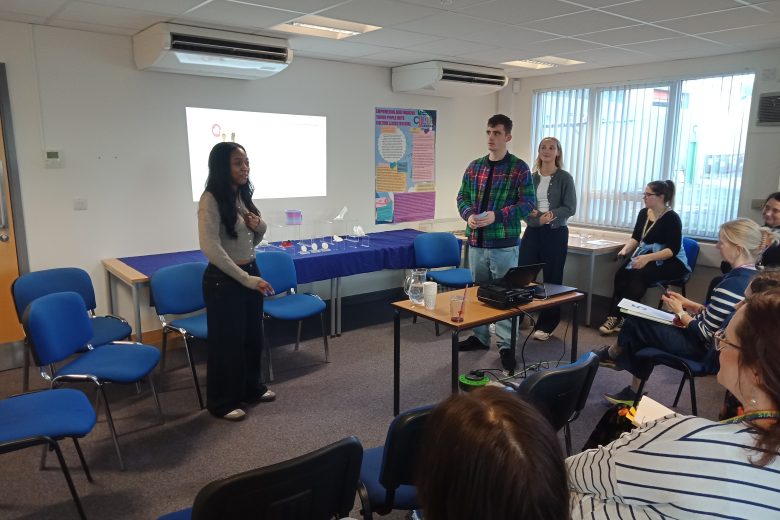
The students’ presentation was a culmination of their hard work and research, sharing their experience of photographing, scanning, and 3D printing museum objects, as well as health and safety considerations, lessons learned, and valuable recommendations for future projects. For more information about this project, you can read our recent blog post here and this blog by Daniel Mutibwa (Associate Professor of Creative Industries and Digital Culture).
As well as many other thoughtful reflections, the students concluded that choosing objects for 3D printing requires careful consideration, as some objects reproduce better than others. They also highlighted that the 3D printed versions will inevitably be different from the original objects in material and weight, meaning they can never replicate them authentically. Instead, these 3D printed objects should be complementary and work in tandem with the originals to ultimately enhance learning and improve accessibility.
We also heard how much the students had gained from their volunteering experience. Volunteer Tyler described realising the importance of being in a profession you enjoy and feel passionate about, while another student, Daniel, said ‘[it was] such a nice feeling to see the scans I made last year materialise into something physical.’ Moreover, a student reflected on our Collections, ‘It makes you appreciate how well they have been preserved’.
Of course, the project wasn’t all smooth sailing (demonstrated by the beautiful but unfinished 3D printed butterflies, photographed below), but the students persevered to develop both personally and professionally and ultimately created amazing 3D objects!
To find out more about the students’ experience and to see first-hand what it was like to be part of this project, you can also read Isabel’s brilliant blog here and watch Tyler’s joyful video here.
Youth and Cultural Decision-Making Placement Students
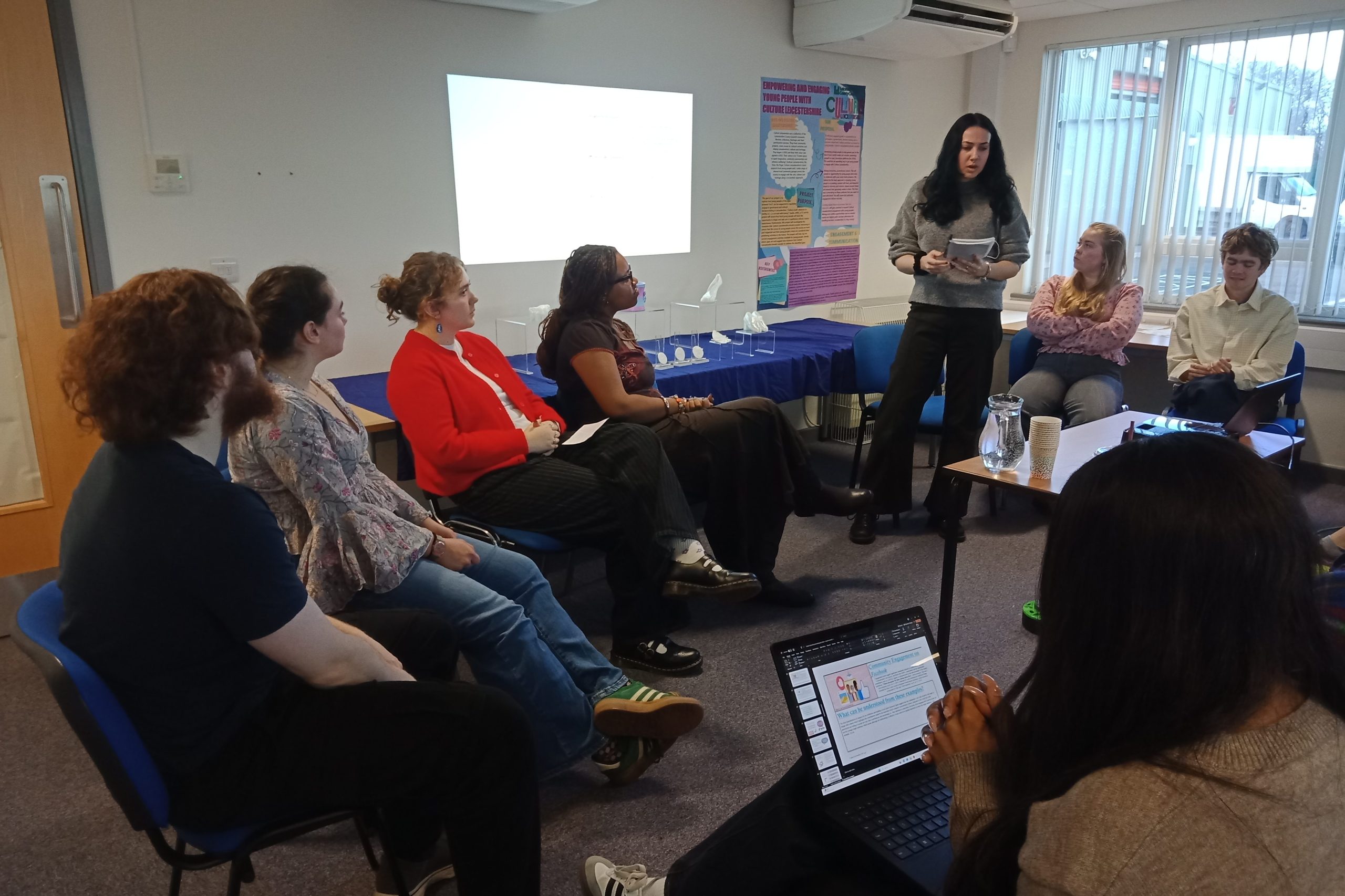
The second presentation of the day from University of Nottingham placement students discussed how Culture Leicestershire could better connect with young people. From their research and personal experience, they proposed an insightful and detailed digital engagement strategy, recommending social media platforms, types of posts, and the importance of posting consistently and with authenticity. One of the key takeaways was the importance of listening to and valuing youth voices, and in delivering projects that are youth-led, not just youth-involved.
What an incredibly interesting and rewarding day, full of fresh perspectives! We left with much to think about and with enormous gratitude to everyone who made these projects possible. A huge thank you to the University of Nottingham, Dominic Price (Manager of the Cobot Makers Space and Research Fellow), Daniel Mutibwa, and most importantly, to the fantastic placement students and volunteers for all their time and hard work.